Biology
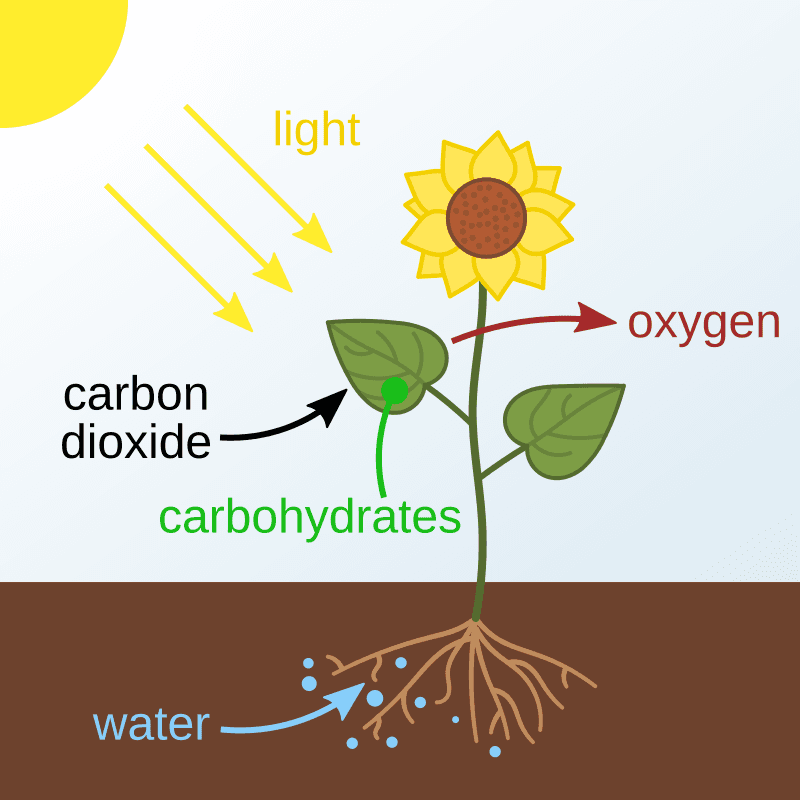
IntermediateBiology is the scientific study of life and living organisms, encompassing everything from the molecular machinery inside cells to the complex interactions of entire ecosystems. As one of the broadest and most fundamental natural sciences, biology seeks to understand the structure, function, growth, origin, evolution, and distribution of all living things. The discipline is built on a foundation of core principles including cell theory, genetics, homeostasis, energy processing, and evolution by natural selection, which together provide a unifying framework for explaining the extraordinary diversity of life on Earth.
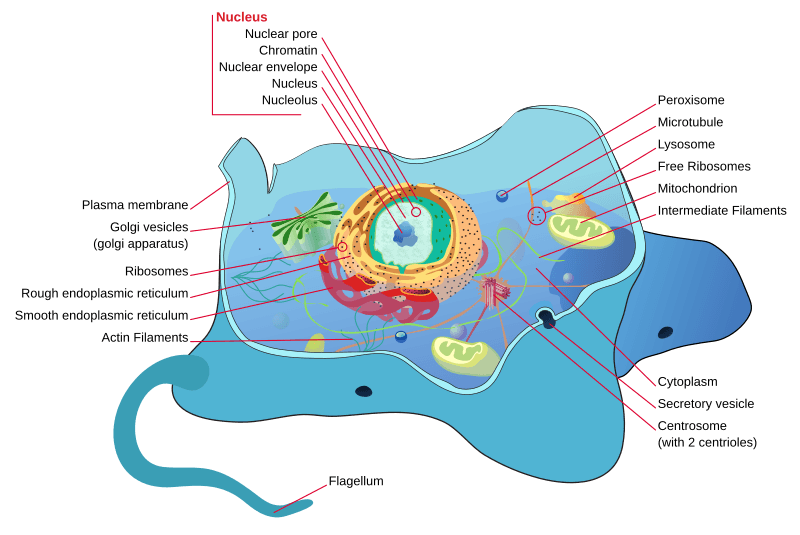
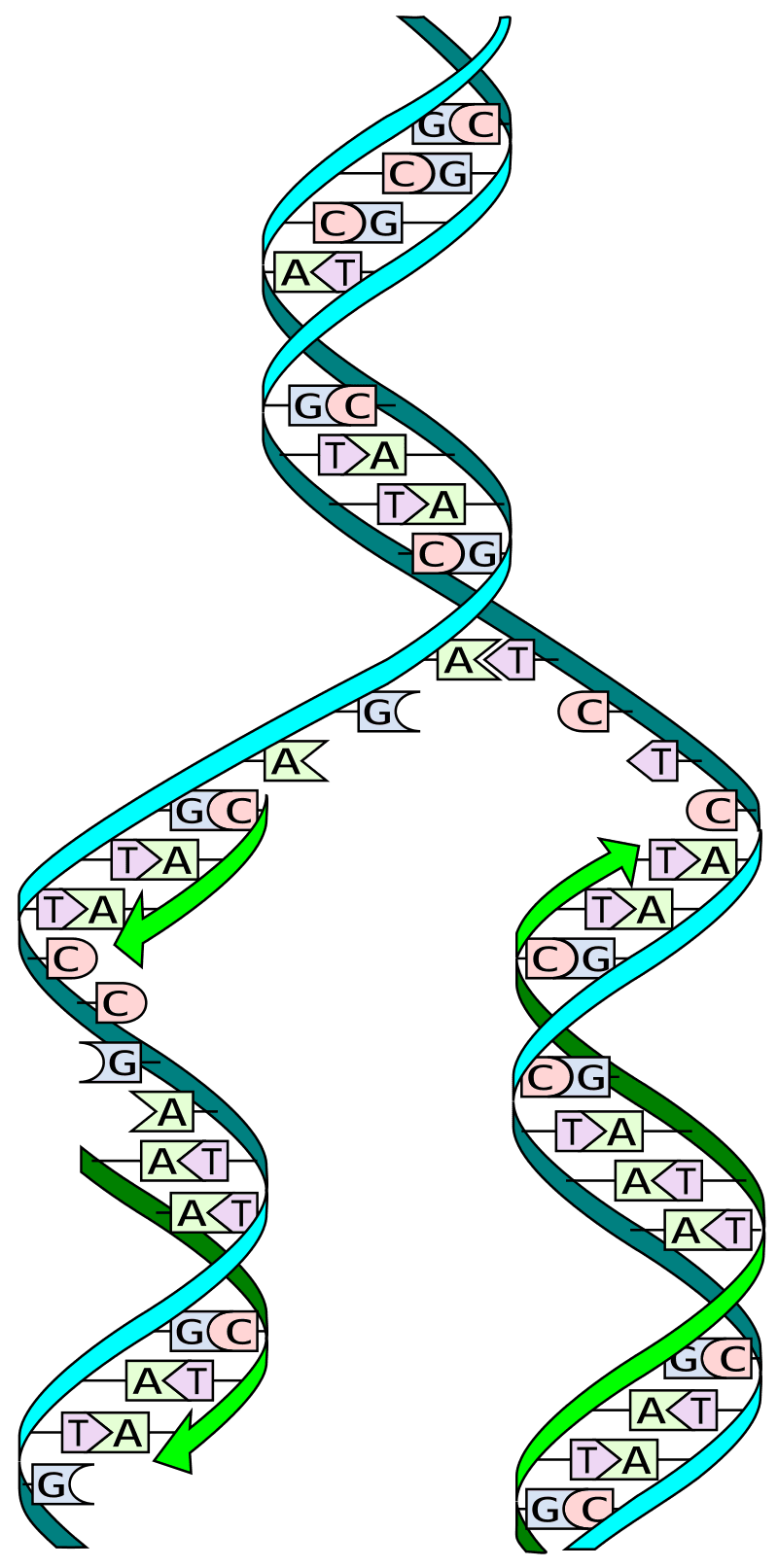
The scope of modern biology is vast and continuously expanding. At the molecular and cellular level, biologists investigate how DNA encodes genetic information, how proteins carry out cellular functions, and how cells divide, differentiate, and communicate with one another. At the organismal level, the field explores anatomy, physiology, development, and behavior across the full spectrum of life forms, from bacteria and archaea to plants, fungi, and animals. At broader scales, ecology and evolutionary biology examine how populations interact with their environments, how species arise and go extinct, and how the biosphere functions as an interconnected system shaped by billions of years of evolution.
Biology intersects with virtually every other scientific discipline and has profound practical applications in medicine, agriculture, biotechnology, and environmental conservation. Advances in genomics, bioinformatics, and molecular techniques have revolutionized our ability to diagnose and treat diseases, engineer crops for improved yields, develop biofuels, and monitor biodiversity. Understanding biology is essential not only for aspiring scientists and healthcare professionals but for any informed citizen navigating issues such as climate change, pandemic preparedness, genetic engineering ethics, and sustainable resource management.
Practice a little. See where you stand.
Quiz
Reveal what you know — and what needs work
Adaptive Learn
Responds to how you reason, with real-time hints
Flashcards
Build recall through spaced, active review
Cheat Sheet
The essentials at a glance — exam-ready
Glossary
Master the vocabulary that unlocks understanding
Learning Roadmap
A structured path from foundations to mastery
Book
Deep-dive guide with worked examples
Steps
Choose the next step — build procedural reasoning
Key Concepts

One concept at a time.
Explore your way
Choose a different way to engage with this topic — no grading, just richer thinking.
Explore your way — choose one:
Curriculum alignment— Standards-aligned
Grade level
Learning objectives
- •Explain the fundamental principles of cell theory, genetics, evolution, and ecology that unify biological sciences
- •Apply the scientific method to design controlled experiments that test biological hypotheses with measurable outcomes
- •Analyze the relationships between molecular, cellular, organismal, and ecosystem levels of biological organization
- •Evaluate current biological research findings by assessing experimental design, data quality, and interpretive claims
Recommended Resources
This page contains affiliate links. We may earn a commission at no extra cost to you.
Books
Campbell Biology
by Lisa A. Urry, Michael L. Cain, Steven A. Wasserman, Peter V. Minorsky, and Rebecca Orr
Molecular Biology of the Cell
by Bruce Alberts, Alexander Johnson, Julian Lewis, David Morgan, Martin Raff, Keith Roberts, and Peter Walter
The Selfish Gene
by Richard Dawkins
The Origin of Species
by Charles Darwin
Related Topics
Cell Biology
The study of cell structure, function, and behavior, examining how cells serve as the fundamental units of life in all organisms.
Genetics
Genetics is the study of genes, heredity, and genetic variation in living organisms, encompassing topics from Mendelian inheritance and DNA structure to modern genomics, gene editing, and their applications in medicine and biotechnology.
Ecology
The scientific study of how organisms interact with each other and their environment, encompassing ecosystems, biodiversity, energy flow, and conservation of natural systems.
Biochemistry
The study of chemical processes within and relating to living organisms, focusing on the structure and function of biomolecules such as proteins, nucleic acids, carbohydrates, and lipids.
Evolutionary Biology
The study of how populations of living organisms change over generations through processes such as natural selection, genetic drift, mutation, and gene flow.