Biology is the scientific study of life and living organisms, encompassing everything from the molecular machinery inside cells to the complex interactions of entire ecosystems. As one of the broadest and most fundamental natural sciences, biology seeks to understand the structure, function, growth, origin, evolution, and distribution of all living things. The discipline is built on a foundation of core principles including cell theory, genetics, homeostasis, energy processing, and evolution by natural selection, which together provide a unifying framework for explaining the extraordinary diversity of life on Earth.
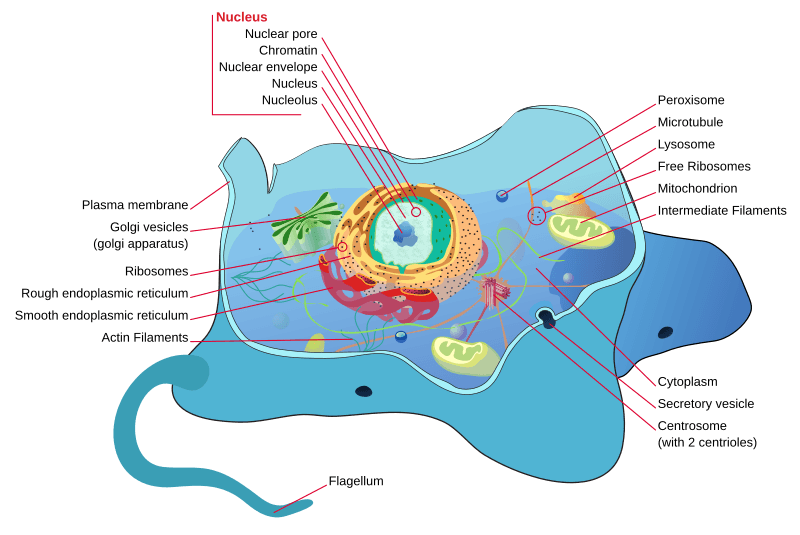
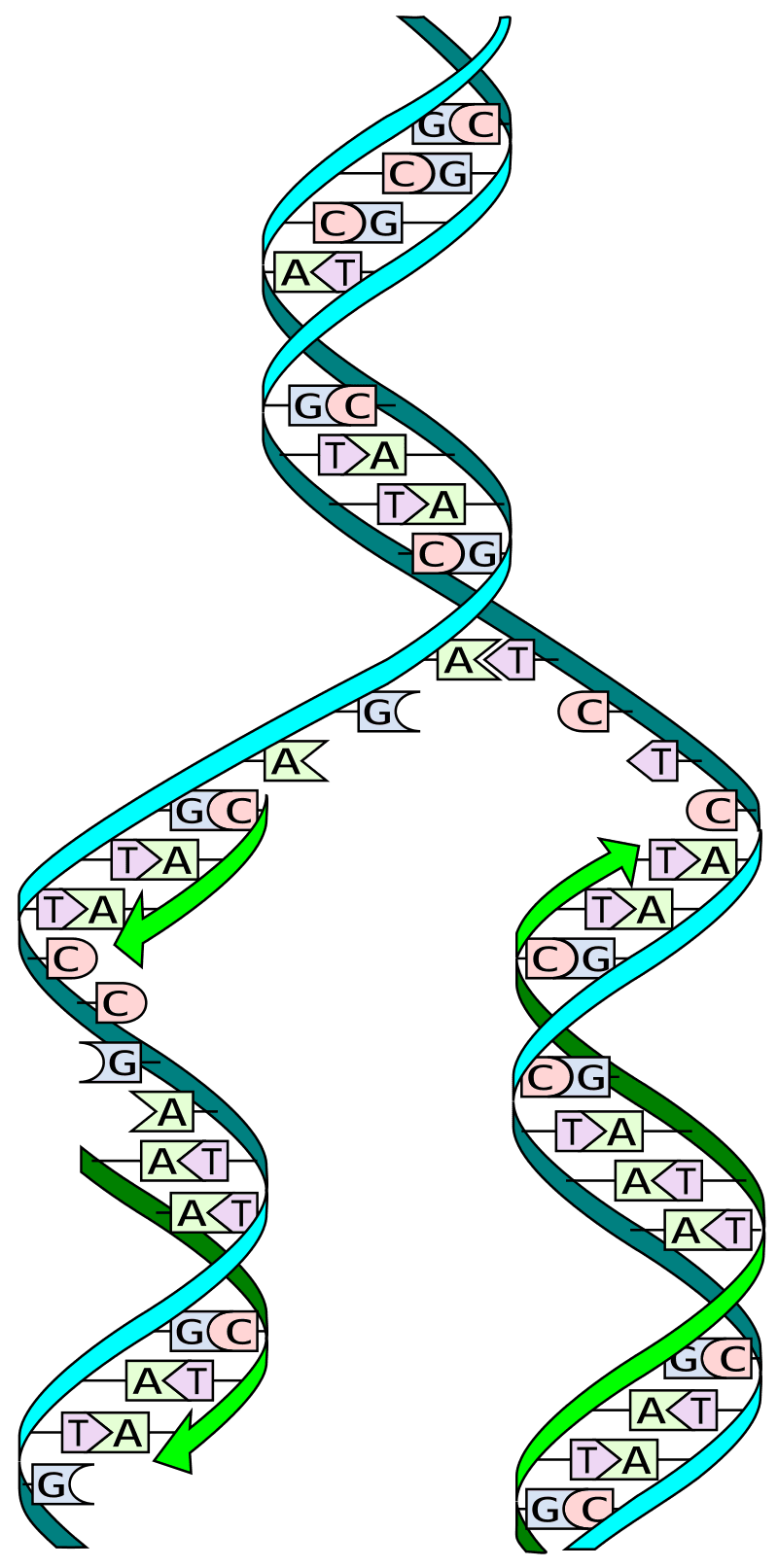
The scope of modern biology is vast and continuously expanding. At the molecular and cellular level, biologists investigate how DNA encodes genetic information, how proteins carry out cellular functions, and how cells divide, differentiate, and communicate with one another. At the organismal level, the field explores anatomy, physiology, development, and behavior across the full spectrum of life forms, from bacteria and archaea to plants, fungi, and animals. At broader scales, ecology and evolutionary biology examine how populations interact with their environments, how species arise and go extinct, and how the biosphere functions as an interconnected system shaped by billions of years of evolution.
Biology intersects with virtually every other scientific discipline and has profound practical applications in medicine, agriculture, biotechnology, and environmental conservation. Advances in genomics, bioinformatics, and molecular techniques have revolutionized our ability to diagnose and treat diseases, engineer crops for improved yields, develop biofuels, and monitor biodiversity. Understanding biology is essential not only for aspiring scientists and healthcare professionals but for any informed citizen navigating issues such as climate change, pandemic preparedness, genetic engineering ethics, and sustainable resource management.