Skip to content
Adaptive

Learn Dropshipping

Read the notes, then try the practice. It adapts as you go.When you're ready.

Session Length

~17 min

Adaptive Checks

15 questions

Transfer Probes

8

Lesson Notes

Dropshipping is a retail fulfillment method in which a store does not keep the products it sells in stock. Instead, when a customer places an order, the retailer purchases the item from a third-party supplier who ships it directly to the customer. The retailer never handles the physical product, acting instead as a middleman between the supplier and the end consumer. This model dramatically lowers the barrier to entry for aspiring entrepreneurs because it eliminates the need for warehousing, large upfront inventory investments, and complex logistics infrastructure.

The modern dropshipping industry has been shaped by the rise of e-commerce platforms like Shopify, WooCommerce, and BigCommerce, along with supplier marketplaces such as AliExpress, Spocket, and SaleHoo. Entrepreneurs can launch an online store, list products sourced from suppliers around the world, and begin selling within days. However, the low barrier to entry also means intense competition, thin profit margins, and significant challenges around product quality control, shipping times, and customer service. Successful dropshippers differentiate themselves through strong branding, niche selection, effective marketing, and reliable supplier relationships.

Despite its accessibility, dropshipping is not a passive income scheme. It requires genuine business skills including market research, digital marketing, conversion rate optimization, customer relationship management, and financial planning. Legal obligations such as sales tax collection, consumer protection compliance, and accurate product representations must also be addressed. When executed strategically, dropshipping can serve as a viable entry point into e-commerce or as a method for established businesses to test new product lines without financial risk.
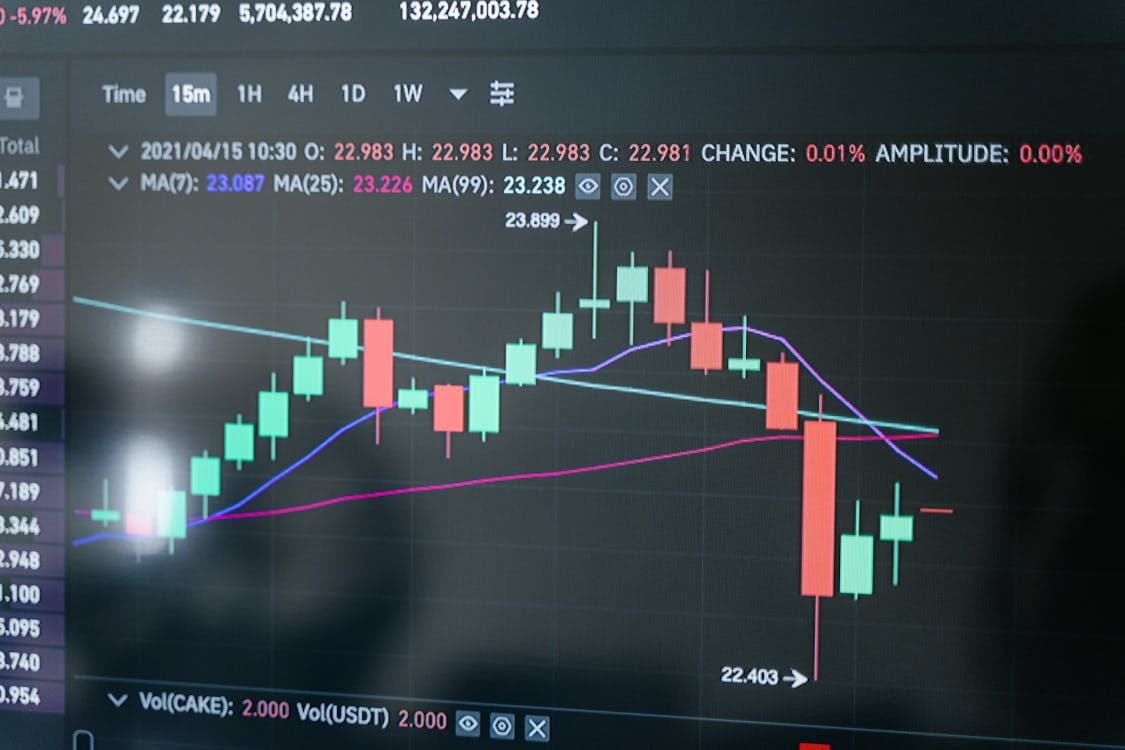
You'll be able to:

  • Identify the dropshipping business model including supplier relationships, order fulfillment workflows, and margin structures
  • Apply product research and niche selection strategies to identify profitable items with sustainable market demand
  • Analyze supplier reliability, shipping logistics, and customer service systems to optimize the dropshipping supply chain
  • Evaluate the long-term viability of a dropshipping operation by assessing competition, brand differentiation, and scalability

One step at a time.

Key Concepts

Fulfillment Model

The system by which a retailer delivers products to customers. In dropshipping, fulfillment is outsourced entirely to a third-party supplier who stores, packages, and ships products on behalf of the retailer.

Example: A Shopify store owner receives an order for a phone case. Rather than shipping it from their own warehouse, they forward the order to their supplier in Shenzhen, who ships the case directly to the buyer in Texas.

Profit Margin

The difference between the retail price charged to the customer and the wholesale cost paid to the supplier, minus additional expenses such as advertising, platform fees, and transaction costs. Dropshipping margins typically range from 15% to 45%.

Example: A retailer sells a yoga mat for $39.99. The supplier charges $14.00, shipping costs $3.50, and advertising cost per acquisition is $8.00, leaving a net profit margin of roughly $14.49 per unit.

Niche Selection

The process of identifying a specific, focused market segment to target with curated products. Effective niche selection balances demand volume, competition intensity, and profit potential to find underserved markets.

Example: Instead of selling generic pet supplies, a dropshipper targets 'eco-friendly dog accessories,' narrowing the audience to environmentally conscious pet owners willing to pay premium prices.

Supplier Relationship Management

The practice of vetting, onboarding, and maintaining reliable partnerships with third-party suppliers. Strong supplier relationships ensure consistent product quality, accurate order fulfillment, and timely shipping.

Example: A dropshipper orders product samples from five potential suppliers, evaluates packaging quality and shipping speed, and selects two primary suppliers while keeping a backup for each product category.

Product Sourcing

The process of finding and selecting products to sell in a dropshipping store. Sourcing involves evaluating suppliers on platforms like AliExpress, Spocket, or CJ Dropshipping based on price, quality, reviews, and shipping capabilities.

Example: An entrepreneur uses Spocket to source products from US and EU suppliers to offer faster shipping times than competitors relying solely on Chinese manufacturers.

Customer Acquisition Cost (CAC)

The total cost of marketing and advertising required to acquire a single paying customer. In dropshipping, CAC is a critical metric because thin margins mean that inefficient advertising can quickly make a store unprofitable.

Example: A store spends $500 on Facebook Ads in a week and generates 25 orders. The CAC is $20 per customer, which must be less than the profit margin on each sale for the business to be viable.

Conversion Rate Optimization (CRO)

The systematic process of increasing the percentage of website visitors who complete a desired action such as making a purchase. CRO involves testing product pages, checkout flows, trust signals, and calls to action.

Example: A dropshipper adds customer reviews, high-quality product images, a countdown timer, and a money-back guarantee badge to their product page, increasing the conversion rate from 1.2% to 2.8%.

Private Labeling

The practice of branding generic or white-label products with the retailer's own brand name, logo, and packaging. Private labeling allows dropshippers to build brand equity and reduce direct price comparisons with competitors.

Example: A dropshipper selling resistance bands works with their supplier to add custom logos, branded packaging inserts, and a branded thank-you card, transforming a generic product into a perceived premium brand.

More terms are available in the glossary.

Explore your way

Choose a different way to engage with this topic โ€” no grading, just richer thinking.

Explore your way โ€” choose one:

Explore with AI โ†’

Concept Map

See how the key ideas connect. Nodes color in as you practice.

Worked Example

Walk through a solved problem step-by-step. Try predicting each step before revealing it.

Adaptive Practice

This is guided practice, not just a quiz. Hints and pacing adjust in real time.

Small steps add up.

What you get while practicing:

  • Math Lens cues for what to look for and what to ignore.
  • Progressive hints (direction, rule, then apply).
  • Targeted feedback when a common misconception appears.

Teach It Back

The best way to know if you understand something: explain it in your own words.

Keep Practicing

More ways to strengthen what you just learned.

Dropshipping Adaptive Course - Learn with AI Support | PiqCue