
Genetics
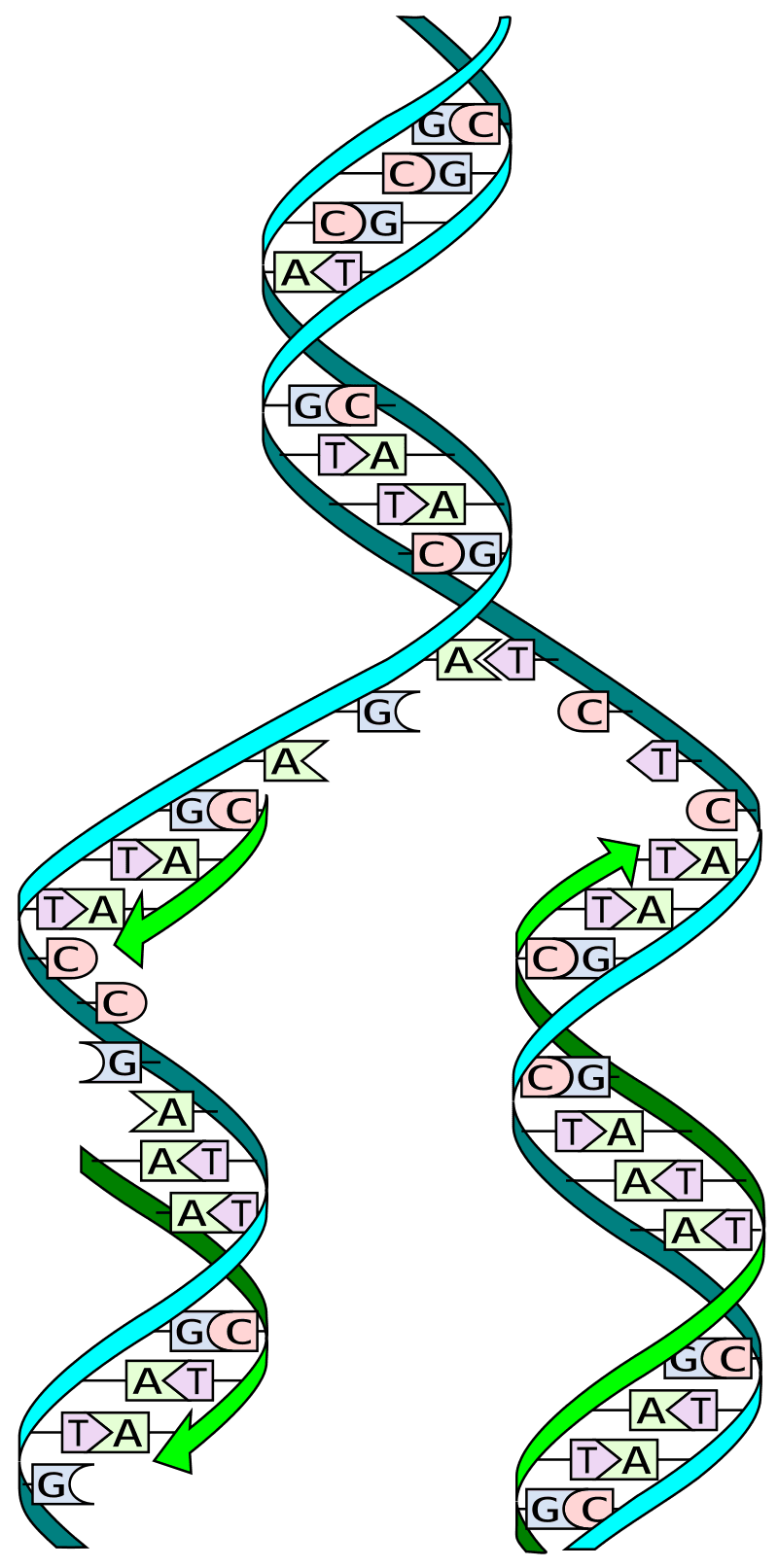
IntermediateGenetics is the branch of biology that studies genes, heredity, and the variation of organisms. At its core, genetics seeks to understand how traits are passed from parents to offspring through the molecule of inheritance, deoxyribonucleic acid (DNA). DNA is a double-stranded helical polymer composed of nucleotide subunits, each containing one of four nitrogenous bases: adenine, thymine, cytosine, and guanine. The specific sequence of these bases encodes the instructions for building proteins, which carry out the vast majority of cellular functions. From Gregor Mendel's pioneering work with pea plants in the 1860s to the discovery of the DNA double helix by Watson and Crick in 1953, the science of genetics has fundamentally transformed our understanding of how life propagates and diversifies.
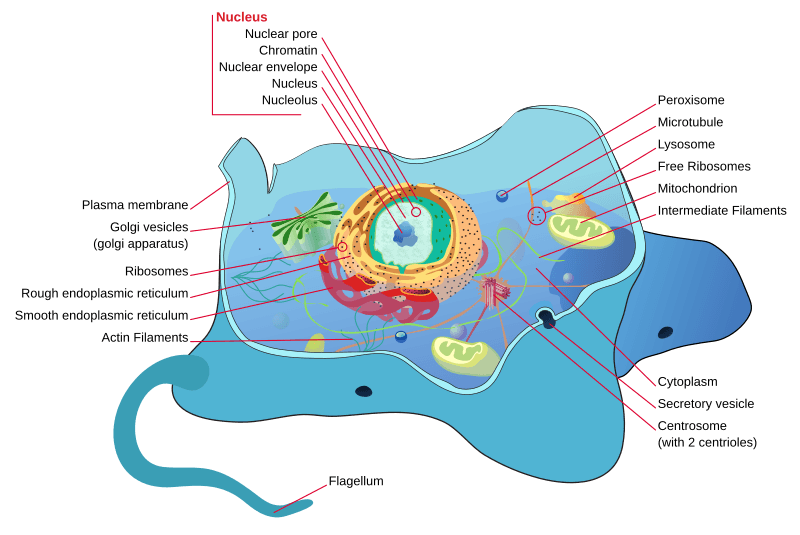
Heredity operates through well-defined molecular and cellular mechanisms. During reproduction, genetic information is transmitted via chromosomes, which are organized structures of DNA and histone proteins. Each gene occupies a specific locus on a chromosome and may exist in alternative forms called alleles, which give rise to phenotypic variation within populations. Mendel's laws of segregation and independent assortment describe how alleles separate during gamete formation and recombine during fertilization, producing the predictable inheritance patterns observed in many organisms. Modern molecular genetics has revealed additional layers of complexity, including gene linkage, epistasis, polygenic inheritance, and epigenetic modifications that can alter gene expression without changing the underlying DNA sequence. These discoveries have expanded the classical Mendelian framework into a richer, more nuanced understanding of inheritance.
The genomics revolution of the late twentieth and early twenty-first centuries has propelled genetics into the forefront of medicine, agriculture, forensics, and biotechnology. The completion of the Human Genome Project in 2003 provided a comprehensive reference sequence of the approximately 3.2 billion base pairs in human DNA, catalyzing advances in personalized medicine, pharmacogenomics, and genetic diagnostics. Technologies such as CRISPR-Cas9 gene editing now allow precise modifications to the genomes of virtually any organism, opening transformative possibilities for treating genetic diseases, engineering disease-resistant crops, and developing gene therapies. As the cost of DNA sequencing continues to plummet and bioinformatics tools grow more powerful, genetics is increasingly central to addressing global challenges in health, food security, and conservation biology.
Practice a little. See where you stand.
Quiz
Reveal what you know — and what needs work
Adaptive Learn
Responds to how you reason, with real-time hints
Flashcards
Build recall through spaced, active review
Cheat Sheet
The essentials at a glance — exam-ready
Glossary
Master the vocabulary that unlocks understanding
Learning Roadmap
A structured path from foundations to mastery
Book
Deep-dive guide with worked examples
Steps
Choose the next step — build procedural reasoning
Key Concepts
One concept at a time.
Explore your way
Choose a different way to engage with this topic — no grading, just richer thinking.
Explore your way — choose one:
Curriculum alignment— Standards-aligned
Grade level
Learning objectives
- •Identify the principles of Mendelian inheritance including dominance, segregation, and independent assortment of alleles
- •Apply Punnett squares and pedigree analysis to predict inheritance patterns for monogenic and multifactorial traits
- •Analyze molecular genetics concepts including DNA replication, gene expression, and mutation types at the chromosomal level
- •Evaluate the implications of genomic technologies including whole-genome sequencing and gene therapy for personalized medicine
Recommended Resources
This page contains affiliate links. We may earn a commission at no extra cost to you.
Books
Molecular Biology of the Gene
by James D. Watson, Tania A. Baker, Stephen P. Bell, Alexander Gann, Michael Levine, and Richard Losick
Genetics: From Genes to Genomes
by Leland Hartwell, Michael L. Goldberg, Janice A. Fischer, and Leroy Hood
The Gene: An Intimate History
by Siddhartha Mukherjee
Lewin's Genes XII
by Jocelyn E. Krebs, Elliott S. Goldstein, and Stephen T. Kilpatrick
Related Topics
Biology
Biology is the scientific study of life, covering topics from molecular processes within cells to the ecology of entire ecosystems, and providing the foundation for medicine, biotechnology, and environmental science.
Molecular Biology
The study of biological processes at the molecular level, focusing on DNA, RNA, and protein structures and their roles in gene expression and cellular function.
Genomics
The study of complete genomes, including gene structure, function, evolution, and applications in medicine, agriculture, and biotechnology.
Evolutionary Biology
The study of how populations of living organisms change over generations through processes such as natural selection, genetic drift, mutation, and gene flow.
Biotechnology
The application of biological systems and living organisms to develop technologies and products that advance medicine, agriculture, industry, and environmental sustainability.
Biochemistry
The study of chemical processes within and relating to living organisms, focusing on the structure and function of biomolecules such as proteins, nucleic acids, carbohydrates, and lipids.