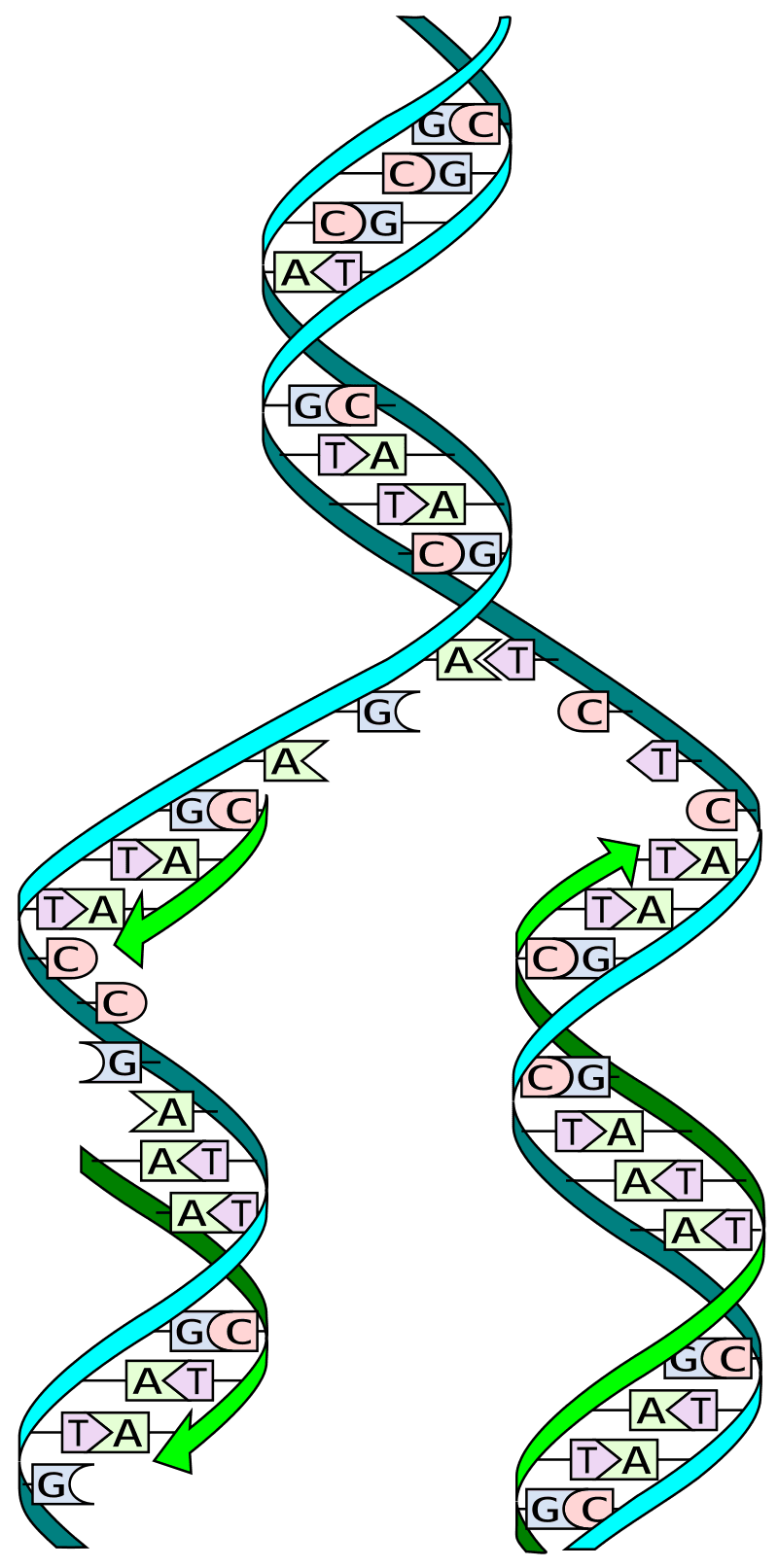
Genetics is the branch of biology that studies genes, heredity, and the variation of organisms. At its core, genetics seeks to understand how traits are passed from parents to offspring through the molecule of inheritance, deoxyribonucleic acid (DNA). DNA is a double-stranded helical polymer composed of nucleotide subunits, each containing one of four nitrogenous bases: adenine, thymine, cytosine, and guanine. The specific sequence of these bases encodes the instructions for building proteins, which carry out the vast majority of cellular functions. From Gregor Mendel's pioneering work with pea plants in the 1860s to the discovery of the DNA double helix by Watson and Crick in 1953, the science of genetics has fundamentally transformed our understanding of how life propagates and diversifies.
Heredity operates through well-defined molecular and cellular mechanisms. During reproduction, genetic information is transmitted via chromosomes, which are organized structures of DNA and histone proteins. Each gene occupies a specific locus on a chromosome and may exist in alternative forms called alleles, which give rise to phenotypic variation within populations. Mendel's laws of segregation and independent assortment describe how alleles separate during gamete formation and recombine during fertilization, producing the predictable inheritance patterns observed in many organisms. Modern molecular genetics has revealed additional layers of complexity, including gene linkage, epistasis, polygenic inheritance, and epigenetic modifications that can alter gene expression without changing the underlying DNA sequence. These discoveries have expanded the classical Mendelian framework into a richer, more nuanced understanding of inheritance.
The genomics revolution of the late twentieth and early twenty-first centuries has propelled genetics into the forefront of medicine, agriculture, forensics, and biotechnology. The completion of the Human Genome Project in 2003 provided a comprehensive reference sequence of the approximately 3.2 billion base pairs in human DNA, catalyzing advances in personalized medicine, pharmacogenomics, and genetic diagnostics. Technologies such as CRISPR-Cas9 gene editing now allow precise modifications to the genomes of virtually any organism, opening transformative possibilities for treating genetic diseases, engineering disease-resistant crops, and developing gene therapies. As the cost of DNA sequencing continues to plummet and bioinformatics tools grow more powerful, genetics is increasingly central to addressing global challenges in health, food security, and conservation biology.