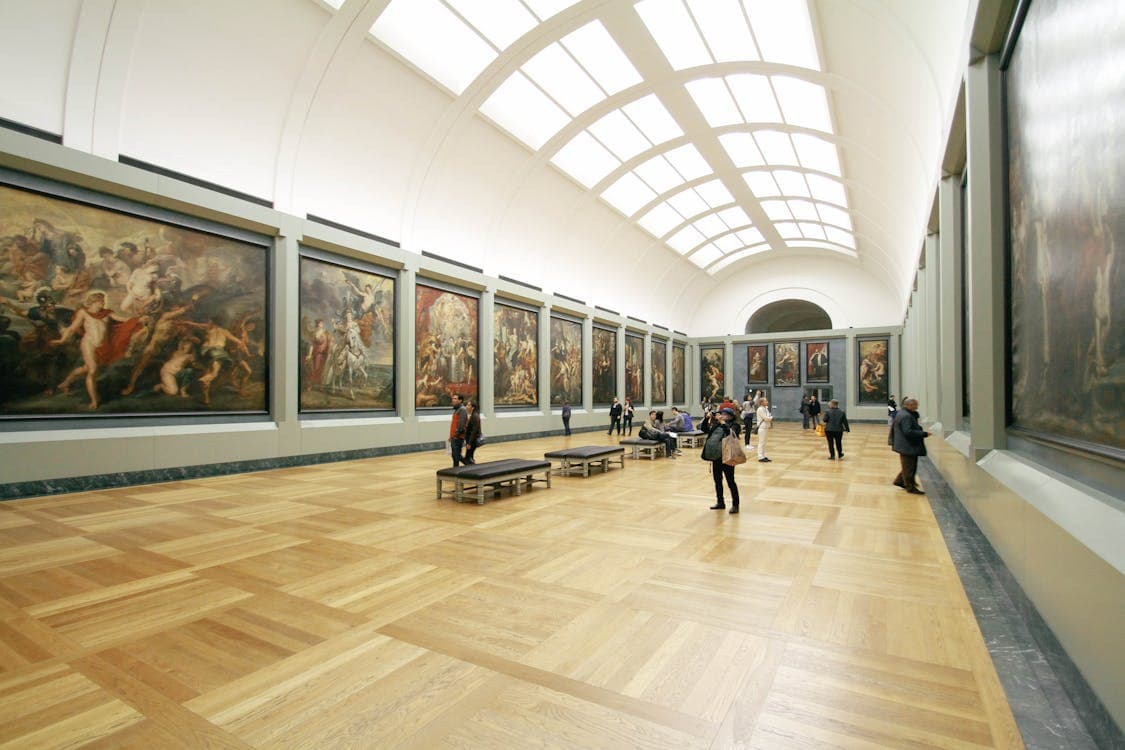
Philosophy of art, also known as aesthetics in its narrower sense, is the branch of philosophy that investigates the nature of art, beauty, and taste. It addresses fundamental questions such as what art is, what makes something a work of art, whether art must be beautiful, and how we should evaluate and interpret artistic works. From Plato's suspicion of art as mere imitation to contemporary debates about conceptual art and digital media, philosophers have grappled with defining the boundaries and purpose of artistic creation across every era of human civilization.
Central to the philosophy of art are debates about the definition of art itself. Representational theories hold that art imitates reality, while expression theories argue that art communicates the inner emotional states of the artist. Formalist approaches focus on the intrinsic properties of the artwork such as line, color, composition, and harmony, claiming that aesthetic value lies in form rather than content. Institutional theories, advanced by thinkers like George Dickie and Arthur Danto, propose that something becomes art when it is designated as such by the art world. Each of these theories captures important aspects of artistic practice yet faces significant counterexamples that fuel ongoing philosophical inquiry.
The philosophy of art also examines the relationship between art and morality, the nature of aesthetic experience, the role of intention in interpretation, and the ontological status of artworks across different media. It draws on epistemology to ask what we can know through art, on ethics to ask whether art carries moral obligations, and on metaphysics to ask what kind of entity a musical performance or literary work truly is. These investigations have profound implications not only for how we create and consume art but also for education, cultural policy, and our understanding of what it means to be human.